Would you like to switch to the accessible version of this site?

Go to accessible site Close modal window

Don't need the accessible version of this site?

Hide the accessibility button Close modal window
Accessibility View Close toolbar

605 West 5th Street

Morris, MN 56267 US

320-589-4033

Morris Veterinary Center PSC
Menu
  • Home
  • About Us
    • Clinic Information
    • Meet Our Staff
    • Clinic Tour
  • Companion Animal
    • Wellness Care
      • Canine Vaccinations
      • Feline Vaccinations
      • Heartworm Disease
      • Feline Leukemia Virus
      • Internal Parasites
      • External Parasites
    • Surgery
      • Laser
      • Spay
      • Neuter
      • Orthopedics & Soft Tissue
    • Dental Care
    • Diagnostics
      • Laboratory
      • Urinalysis - Fecal Analysis
      • Bacteriology - Cytology
      • Thyroid - Cortisol Testing
      • FeLV/FIV Testing
      • Snap 4DX
      • Chemistry & CBC Profiles
      • Imaging
      • Radiography
      • Ultrasound
    • Grooming
    • Pet Nutrition
      • Hill's Pet Nutrition
      • Canine Nutrition
      • Feline Nutrition
      • Homemade Treats
    • Behavior Issues
      • Biting
      • Puppy Socialization
      • Elimination Behaviors in Cats
      • Submissive Urination in Dogs
    • Helpful Info
      • Aging Your Pet
      • Breeding Your Dog
      • Skunk Odor
      • Summer Pet Care
      • Pet First Aid
      • Obesity in Pets
  • Livestock
    • Mobile Units
    • Bovine
      • Vaccinations
      • Implants
      • Bovine Parasites
      • Reproductive Performance
    • Swine
      • Swine Vaccinations
      • Swine Parasites
      • Production Phases
      • Production Systems
    • Sheep
      • Sheep Vaccinations
      • Sheep Parasites
      • Sheep Breeding and Production
      • Scrapie
    • Diagnostics
      • Laboratory
      • Reference Laboratories
      • Livestock Urinalysis and Fecal Analysis
      • Livestock Bacteriology & Cytology
      • Livestock Chemistry & CBC Profiles
      • Necropsy
      • Imaging
    • Transport Info
  • Equine
    • Vaccinations
    • Parasites
    • Castration
    • Pregnancy Exam
    • Dental Care
    • Coggins Testing
  • Links
  • Contact Us
  • Veterinary Topics
    • Pet Health
      • Chronic Conditions
      • Digestive and Oral Health
      • Diseases and Viruses
      • Pests and Parasites
      • Orthopedics
    • Today's Veterinarian
    • Choosing Your Pet
      • Finding Your Pet
      • Cats
      • Dogs
      • Exotics
        • Amphibians
        • Birds
        • Reptiles
          • Lizards
          • Turtles
      • Small Mammals
        • Ferrets
        • Rabbits
        • Domesticated Animals
          • Prairie Dogs
        • Pocket Pets
          • Chinchillas
          • Guinea Pigs
          • Hamsters
          • Hedgehogs
          • Rats
      • Livestock
        • Cows
        • Donkeys, Horses & Mules
        • Goats
        • Pigs
        • Poultry
        • Sheep
    • Living With Your Pet
      • Bringing Your Pet Home
      • Children and Pets
      • Providing Care
      • Travel
      • Saying Goodbye
    • Newsletter Library
      • Cats
      • Tips for Pet Owners
      • Behavior & Training
      • Fleas & Parasites
      • Keeping Pets Healthy
      • Recognizing Illness
      • Nutrition & Food
      • Pet Dangers
      • Seasonal Topics
      • Visiting the Vet
      • Equine
      • Newsletter Archive
        • Fun with Pets
        • Unbelievable Pets
    • Video Newsroom
      • Health Topics
      • Technology and Science
      • Other Interests
    • Newsletter Library
    • Client Survey
    • Pets4Kids
  • Home >
  • Articles >
  • Newsletter Library >
  • Seasonal Topics >
  • Keeping Pets Cool This Summer

Keeping Pets Cool This Summer

  • Created in Newsletter Library, Seasonal Topics
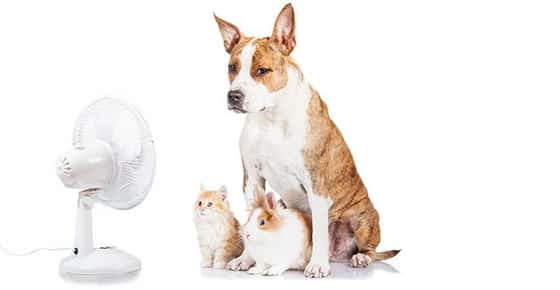
Image of pets in front of a fan.

For humans, that means better beach days and much needed vacations, but for your animals, the warmer weather can be dangerous. Even the healthiest pets can suffer from dehydration and heat exhaustion, so it’s important to take proper precautions and protect your pets from overheating. By following a few simple steps, you can help keep your pets safe and comfortable all summer long.

Beat the Heat

First things first, it is highly recommended that you schedule a visit with your vet for an early summer check-up and ask your doctor about flea and tick prevention. Have your pet tested for heartworm if they are not currently on year-round prevention medicine.

Use these four tips throughout the warmer months to protect your favorite four-legged friends.

  • During the summer months, it’s best to be cautious of how long your pet spends in the sun. Being outside is a great way for your pets to be physically active. However, you may consider only letting your pets out during the cooler parts of the day. While humans can wear shoes, your pet’s feet are not protected against the hot ground, so it’s important to limit their exposure.
  • Make sure your pets have access to shady spots throughout the day. Especially after exercising, they’ll need a cool spot to rest and plenty of fresh, clean water to keep them hydrated. You can even make some simple homemade treats to help keep them cool, such as peanut butter popsicles for dogs. (Ask your vet about any homemade treats prior to giving them to your pet, to make sure the ingredients are safe for your furry friend to ingest.)
  • Never leave your pets alone in parked vehicles. Even with the windows down, the temperature in a car can quickly reach over 100 degrees Fahrenheit, regardless if it’s left in sun or shade. These temperatures can cause your pet respiratory distress and, potentially, serious harm. Leave your pets where they have access to cool, shady spaces and plenty of water to keep them comfortable.
  • Hydrate, hydrate, hydrate. While many animals use panting as a method to cool down, panting evaporates fluid from your pet’s respiratory tract. If your pet has been playing, exercising or has spent some time directly in the sun, it’s especially important to replace these fluids with enough clean drinking water throughout the day.
  • Pet Health
    • Chronic Conditions
    • Digestive and Oral Health
    • Diseases and Viruses
    • Pests and Parasites
    • Orthopedics
  • Today's Veterinarian
  • Choosing Your Pet
    • Finding Your Pet
    • Cats
    • Dogs
    • Exotics
      • Amphibians
      • Birds
      • Reptiles
        • Lizards
        • Turtles
    • Small Mammals
      • Ferrets
      • Rabbits
      • Domesticated Animals
        • Prairie Dogs
      • Pocket Pets
        • Chinchillas
        • Guinea Pigs
        • Hamsters
        • Hedgehogs
        • Rats
    • Livestock
      • Cows
      • Donkeys, Horses & Mules
      • Goats
      • Pigs
      • Poultry
      • Sheep
  • Living With Your Pet
    • Bringing Your Pet Home
    • Children and Pets
    • Providing Care
    • Travel
    • Saying Goodbye
  • Newsletter Library
    • Cats
    • Tips for Pet Owners
    • Behavior & Training
    • Fleas & Parasites
    • Keeping Pets Healthy
    • Recognizing Illness
    • Nutrition & Food
    • Pet Dangers
    • Seasonal Topics
    • Visiting the Vet
    • Equine
    • Newsletter Archive
      • Fun with Pets
      • Unbelievable Pets
  • Video Newsroom
    • Health Topics
    • Technology and Science
    • Other Interests
  • Newsletter Library
  • Client Survey
  • Pets4Kids

Newsletter Signup

Sign up for more articles

Office Hours

Our Regular Schedule

Monday:

8:00 am

5:00 pm

Tuesday:

8:00 am

5:00 pm

Wednesday:

8:00 am

5:00 pm

Thursday:

8:00 am

5:00 pm

Friday:

8:00 am

5:00 pm

Saturday:

8:00 am

12:00 pm

Sunday:

Closed

Closed

Location

Find us on the map

  • Copyright © 2026 MH Sub I, LLC dba iMatrix.
  • Admin Log In
  • Site Map