Would you like to switch to the accessible version of this site?

Go to accessible site Close modal window

Don't need the accessible version of this site?

Hide the accessibility button Close modal window
Accessibility View Close toolbar

605 West 5th Street

Morris, MN 56267 US

320-589-4033

Morris Veterinary Center PSC
Menu
  • Home
  • About Us
    • Clinic Information
    • Meet Our Staff
    • Clinic Tour
  • Companion Animal
    • Wellness Care
      • Canine Vaccinations
      • Feline Vaccinations
      • Heartworm Disease
      • Feline Leukemia Virus
      • Internal Parasites
      • External Parasites
    • Surgery
      • Laser
      • Spay
      • Neuter
      • Orthopedics & Soft Tissue
    • Dental Care
    • Diagnostics
      • Laboratory
      • Urinalysis - Fecal Analysis
      • Bacteriology - Cytology
      • Thyroid - Cortisol Testing
      • FeLV/FIV Testing
      • Snap 4DX
      • Chemistry & CBC Profiles
      • Imaging
      • Radiography
      • Ultrasound
    • Grooming
    • Pet Nutrition
      • Hill's Pet Nutrition
      • Canine Nutrition
      • Feline Nutrition
      • Homemade Treats
    • Behavior Issues
      • Biting
      • Puppy Socialization
      • Elimination Behaviors in Cats
      • Submissive Urination in Dogs
    • Helpful Info
      • Aging Your Pet
      • Breeding Your Dog
      • Skunk Odor
      • Summer Pet Care
      • Pet First Aid
      • Obesity in Pets
  • Livestock
    • Mobile Units
    • Bovine
      • Vaccinations
      • Implants
      • Bovine Parasites
      • Reproductive Performance
    • Swine
      • Swine Vaccinations
      • Swine Parasites
      • Production Phases
      • Production Systems
    • Sheep
      • Sheep Vaccinations
      • Sheep Parasites
      • Sheep Breeding and Production
      • Scrapie
    • Diagnostics
      • Laboratory
      • Reference Laboratories
      • Livestock Urinalysis and Fecal Analysis
      • Livestock Bacteriology & Cytology
      • Livestock Chemistry & CBC Profiles
      • Necropsy
      • Imaging
    • Transport Info
  • Equine
    • Vaccinations
    • Parasites
    • Castration
    • Pregnancy Exam
    • Dental Care
    • Coggins Testing
  • Links
  • Contact Us
  • Veterinary Topics
    • Pet Health
      • Chronic Conditions
      • Digestive and Oral Health
      • Diseases and Viruses
      • Pests and Parasites
      • Orthopedics
    • Today's Veterinarian
    • Choosing Your Pet
      • Finding Your Pet
      • Cats
      • Dogs
      • Exotics
        • Amphibians
        • Birds
        • Reptiles
          • Lizards
          • Turtles
      • Small Mammals
        • Ferrets
        • Rabbits
        • Domesticated Animals
          • Prairie Dogs
        • Pocket Pets
          • Chinchillas
          • Guinea Pigs
          • Hamsters
          • Hedgehogs
          • Rats
      • Livestock
        • Cows
        • Donkeys, Horses & Mules
        • Goats
        • Pigs
        • Poultry
        • Sheep
    • Living With Your Pet
      • Bringing Your Pet Home
      • Children and Pets
      • Providing Care
      • Travel
      • Saying Goodbye
    • Newsletter Library
      • Cats
      • Tips for Pet Owners
      • Behavior & Training
      • Fleas & Parasites
      • Keeping Pets Healthy
      • Recognizing Illness
      • Nutrition & Food
      • Pet Dangers
      • Seasonal Topics
      • Visiting the Vet
      • Equine
      • Newsletter Archive
        • Fun with Pets
        • Unbelievable Pets
    • Video Newsroom
      • Health Topics
      • Technology and Science
      • Other Interests
    • Newsletter Library
    • Client Survey
    • Pets4Kids
  • Home >
  • Articles >
  • Newsletter Library >
  • Nutrition & Food >
  • Foods to Avoid for Pets on Low Sodium Diets

Foods to Avoid for Pets on Low Sodium Diets

  • Created in Newsletter Library, Nutrition & Food
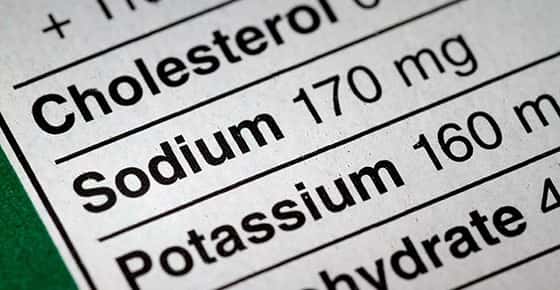
Image of a sodium nutrition label.

Pets afflicted with heart failure or high blood pressure should not be fed salty foods, as they cause fluid to be retained in the body and make it harder for the heart to work. They also can lead to fluid developing in the lungs (pulmonary edema). Most commercial dog foods have a decent level of sodium, although some have high levels, such as Hill's S/D. Pets that have non-life-threatening heart problems don't necessarily need to be restricted on sodium, but you still should keep an eye on whether the food you're feeding your pet has overly-high sodium levels. Once a pet has had an episode of congestive heart failure or has hypertension, the diet should be restricted in sodium.

Most commercial dog foods have a sodium content of 1.0 gram per 1000 KCal. This description is just a way to measure the relative sodium content without having to calculate whether it is a canned or dry food. 1.0 gram is actually ten times the amount really needed by pets. As it turns out, dogs like salty foods just like we do!!

Often veterinarians will recommend a renal diet (one made for kidney problems) for heart patients as these diets are restricted in sodium (0.3 gram per KCal) and heart patients usually become kidney patients eventually. There is a diet made by Hill's specifically for heart patients (H/D) that has 0.23 gram of sodium per KCal, and in some cases veterinary cardiologists may recommend this.

You should review the label of the pet food you are feeding to see if the percentage of sodium is listed. Usually it is not on the label, as it is not required to be listed, but you can contact the manufacturer to ask for the sodium content. Remember, to compare, the sodium content should be given in grams per KCal.

In order to administer medications, many people use Pill PocketsTM made by GreeniesTM. These are tasty pillowcase-shaped products used to hide pills for dogs or cats. The Canine Pill PocketsTM are high in sodium, so it is better to use the Feline Pill PocketsTM for both dogs and cats.

With advances in veterinary medicine, many heart patients can live happily and without symptoms for years. It is up to you to make sure their diet is a good one!!

  • Pet Health
    • Chronic Conditions
    • Digestive and Oral Health
    • Diseases and Viruses
    • Pests and Parasites
    • Orthopedics
  • Today's Veterinarian
  • Choosing Your Pet
    • Finding Your Pet
    • Cats
    • Dogs
    • Exotics
      • Amphibians
      • Birds
      • Reptiles
        • Lizards
        • Turtles
    • Small Mammals
      • Ferrets
      • Rabbits
      • Domesticated Animals
        • Prairie Dogs
      • Pocket Pets
        • Chinchillas
        • Guinea Pigs
        • Hamsters
        • Hedgehogs
        • Rats
    • Livestock
      • Cows
      • Donkeys, Horses & Mules
      • Goats
      • Pigs
      • Poultry
      • Sheep
  • Living With Your Pet
    • Bringing Your Pet Home
    • Children and Pets
    • Providing Care
    • Travel
    • Saying Goodbye
  • Newsletter Library
    • Cats
    • Tips for Pet Owners
    • Behavior & Training
    • Fleas & Parasites
    • Keeping Pets Healthy
    • Recognizing Illness
    • Nutrition & Food
    • Pet Dangers
    • Seasonal Topics
    • Visiting the Vet
    • Equine
    • Newsletter Archive
      • Fun with Pets
      • Unbelievable Pets
  • Video Newsroom
    • Health Topics
    • Technology and Science
    • Other Interests
  • Newsletter Library
  • Client Survey
  • Pets4Kids

Newsletter Signup

Sign up for more articles

Office Hours

Our Regular Schedule

Monday:

8:00 am

5:00 pm

Tuesday:

8:00 am

5:00 pm

Wednesday:

8:00 am

5:00 pm

Thursday:

8:00 am

5:00 pm

Friday:

8:00 am

5:00 pm

Saturday:

8:00 am

12:00 pm

Sunday:

Closed

Closed

Location

Find us on the map

  • Copyright © 2026 MH Sub I, LLC dba iMatrix.
  • Admin Log In
  • Site Map